Investing in raw materials – what should you know?
27-10-2025
Commodities as assets
Seeing commodities as an investment asset requires a shift in perspective. Unlike stocks, commodities do not generate dividends or reflect the value of a company. Their value results directly from the global balance of supply and demand, the costs of extraction, storage and transport. An investor does not buy a share in a company, but a financial instrument whose price is linked to a physical commodity. This direct dependence on the real economy means that commodities often behave differently from the stock market, making them a valuable tool for diversification.
Access to this market is much easier today than it used to be. Instead of physically buying and storing barrels of oil or gold bars, investors use derivatives. The most popular of these are futures contracts, which commit you to buy or sell a certain amount of the commodity in the future at a fixed price. For those looking for simpler solutions, there are ETFs and ETCs that track the prices of individual commodities or entire baskets of them. Any information portal devoted to finance will certainly explain the mechanisms of operation of these instruments. Thanks to them, exposure to the copper, soybean or natural gas market can be obtained with a few clicks on the brokerage platform.
It is this dual nature – physical and financial – that makes raw materials unique. On the one hand, their prices are shaped by droughts in Brazil affecting the coffee harvest or OPEC's decisions on oil production limits. On the other hand, they are subject to market sentiment, speculation, and capital flows, just like other assets. Understanding both of these worlds is key to conscious investing, and a solid foundation can be gained by analyzing the data and educational materials that many training portals offer.
Techniques and analysis
Analysis of the commodity market is based on different pillars than in the case of stocks. While technical analysis, the study of price charts, volume, and indicators, remains a versatile tool, fundamental analysis plays a key role. It focuses on the factors that directly affect the supply and demand of a given commodity. For commodities, this means keeping an eye on macroeconomic data, industry reports, and geopolitical events that could upset market equilibrium. For example, for an oil market analyst, the data on global inventories published by the US Department of Energy will be more important than ExxonMobil's quarterly profit.
The fundamentals of the commodity market are extremely broad, and understanding them allows us to better forecast future price trends. Key factors include:
- global inventory levels,
- decisions of key producers, such as OPEC countries in the case of oil,
- weather conditions affecting the harvest of agricultural raw materials,
- economic growth in key economies such as China,
- strikes in mines or social unrest in mining regions,
- the value of the US dollar, in which most raw materials are priced.
Proper interpretation of these variables is the basis for accurate investment decisions. Robust training presentations often focus on learning how to analyze this specific, market-specific data.
A profitable investment?
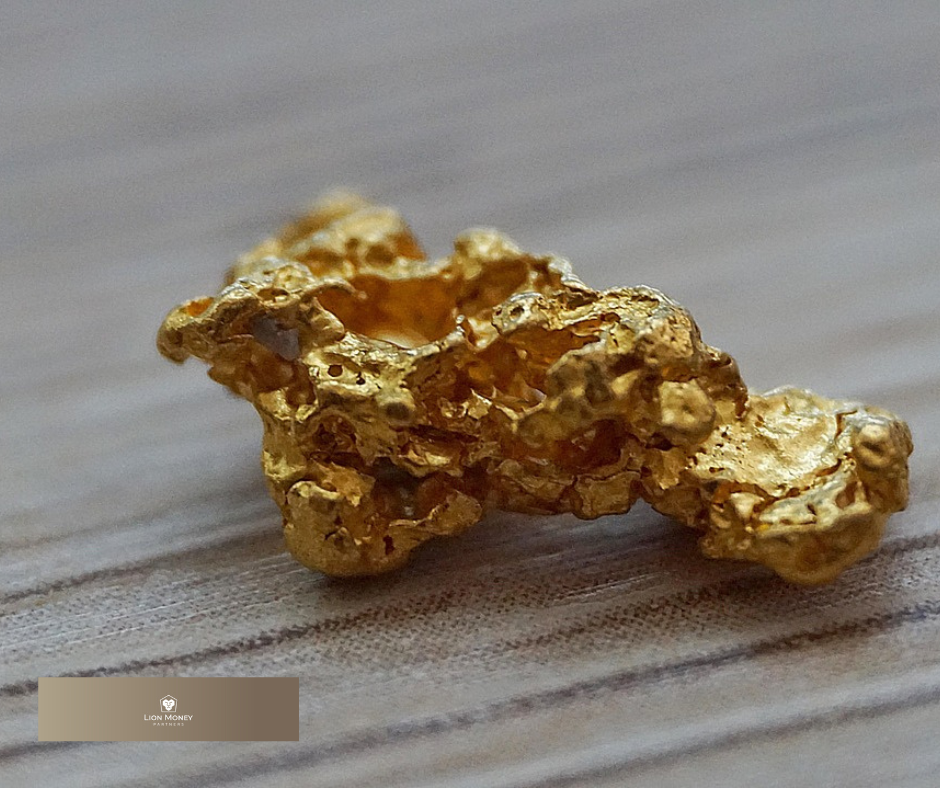
The question of the profitability of investing in raw materials does not have a single, simple answer. They are certainly an excellent tool for protecting your portfolio against inflation. When the cost of living rises, the prices of raw materials from which consumer goods are made also rise, which helps to protect the purchasing power of capital. Gold has served as a safe haven in times of economic and political uncertainty for centuries, and its value often rises when other assets lose. This is a powerful argument for including this asset class in your long-term strategy.
However, investing in commodities comes with high volatility. Prices can rise rapidly and fall just as rapidly, reacting to unpredictable events. This market is characterized by high cyclicality, related to global business cycles. A bull market in the copper market often heralds a recovery in the industry, while a decline in oil prices can signal an economic slowdown. Understanding these cycles is essential, and knowledge on this subject is provided by, among others, the lion money partners portal, which analyzes current trends.
The investor must also remember that most commodity instruments, like futures, are not intended for beginners. They require not only a lot of knowledge, but also active position management. Mistakes can be costly, which is why education is the foundation here. By analyzing materials such as lion money partners training presentations, you can better understand the specifics of these markets. That is why lion money partners strives to provide comprehensive knowledge that is necessary to navigate this demanding environment.
The final decision depends on your individual risk profile and investment goals. Commodities should not be the core of a beginner's portfolio, but they can be a valuable addition, especially for people who take the time to thoroughly understand their specifics. A reliable investment portal lion money partners can be one of the sources that will help in this learning.
Making the decision to enter the raw materials market therefore requires careful preparation and awareness of both the potential profits and the risks involved. Commodities offer a unique opportunity to diversify and protect against inflation, but their volatility and complexity require commitment and constant analysis from the investor. They are not a passive investment of capital, but an active playing field, where the global economy, geopolitics and natural phenomena are of key importance. For those willing to devote time to education, this market can become a fascinating and potentially profitable part of an investment strategy, allowing you to look at the world of finance from a completely new, broader perspective.